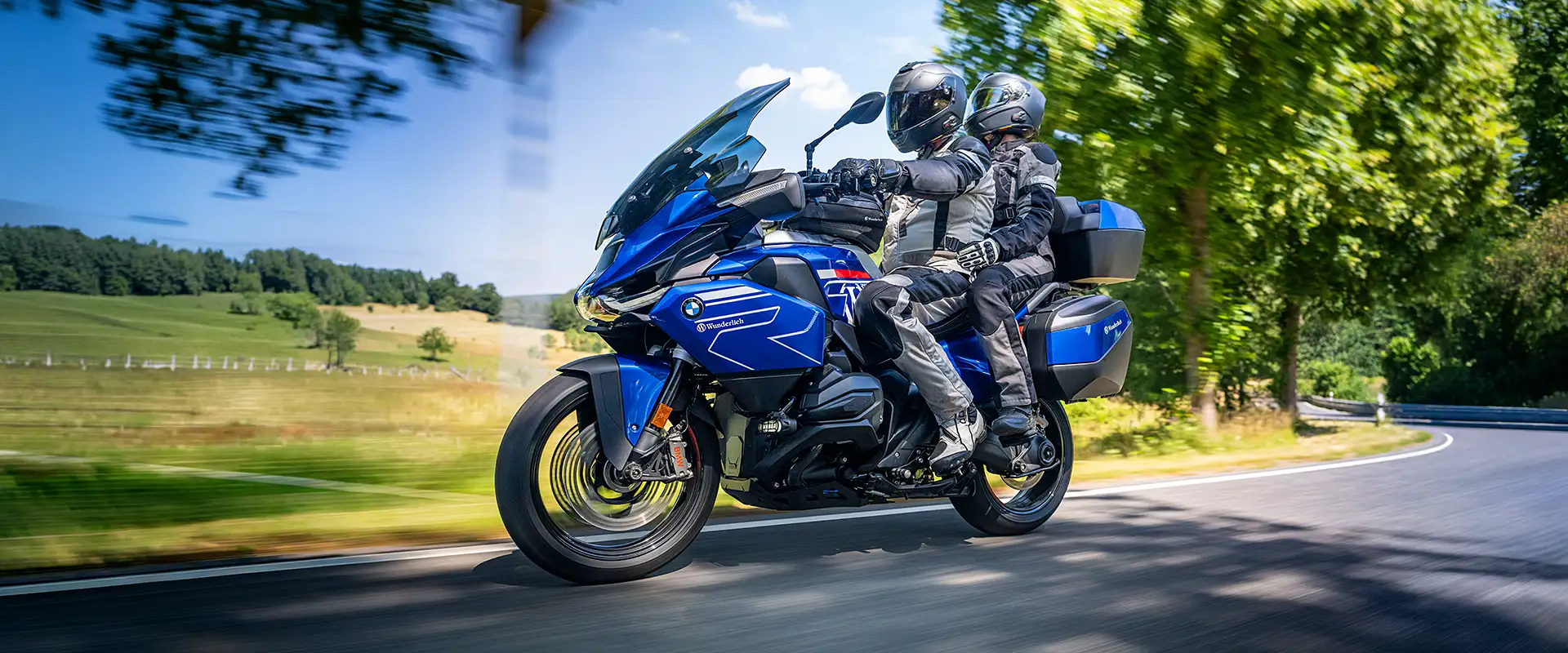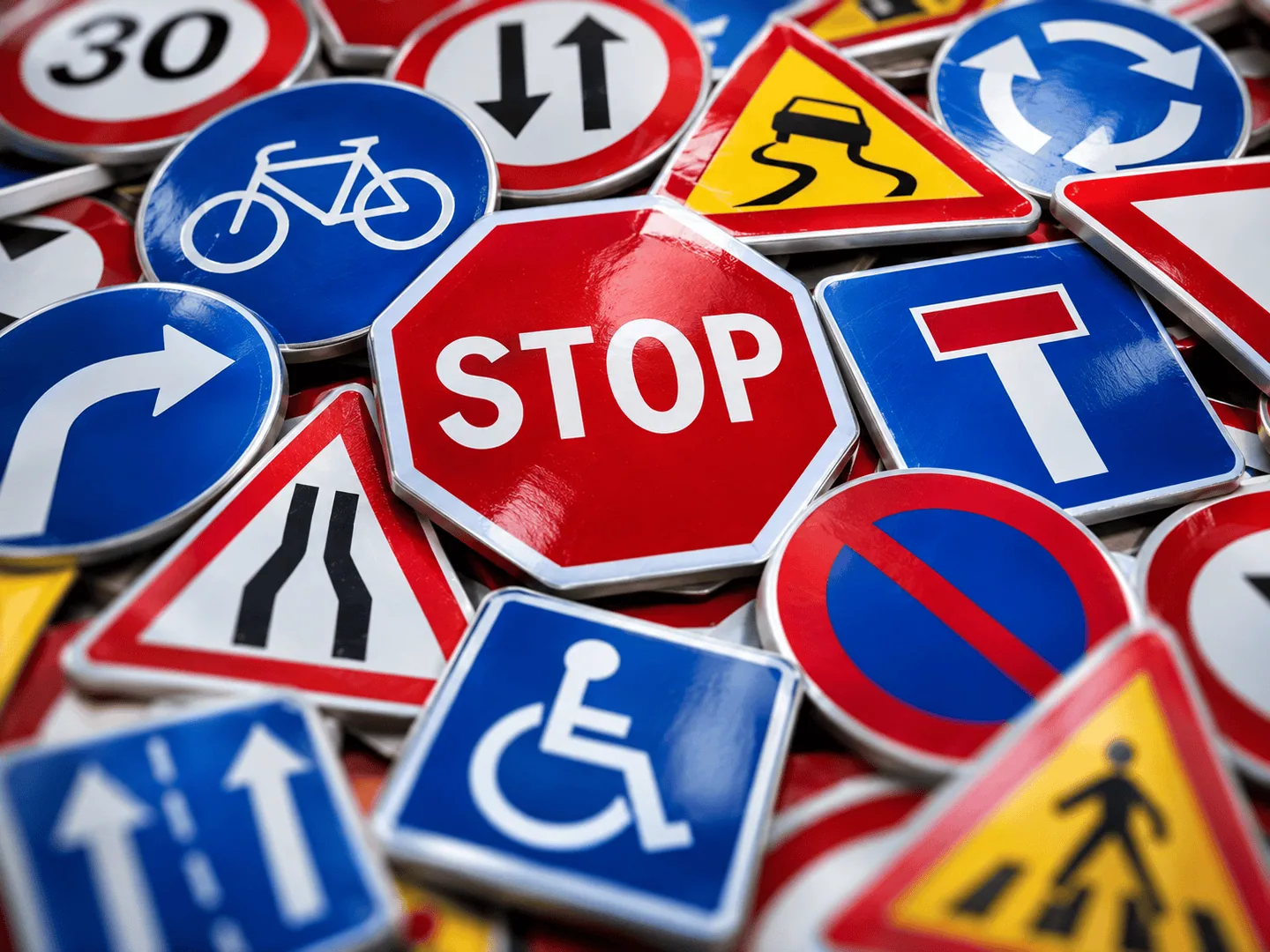
Exploring Greece by motorcycle is one of the most rewarding ways to experience the country. From spectacular coastal roads and challenging mountain passes to traditional villages and historic landmarks, Greece offers endless opportunities for memorable motorcycle adventures.
However, understanding local traffic regulations, driving habits and road conditions is essential for a safe and enjoyable journey.
At Moto Rentals Vagianelis, we have created this practical guide to help you prepare for your motorcycle adventure in Greece and ride with greater confidence.
1. Basic Road Rules in Greece
In Greece, vehicles travel on the right-hand side of the road, and overtaking is generally performed on the left.
If you are visiting from the United Kingdom, Australia or another country where traffic travels on the left, take extra care during the first few days of your journey, particularly when approaching intersections, roundabouts and unfamiliar roads.
Distances are measured in kilometres, and speed limits are expressed in kilometres per hour (km/h).
Many major directional road signs display both Greek and Latin characters, making navigation easier for international visitors.
2. Motorcycle Speed Limits in Greece
Under the current Greek Highway Code, the general speed limits for motorcycles are as follows, unless road signs or vehicle-specific restrictions indicate otherwise:
| Road category | General speed limit |
|---|---|
| Urban and residential roads | 30–50 km/h, depending on road configuration |
| Roads outside built-up areas | 90 km/h |
| Expressways | 110 km/h |
| Motorways | 130 km/h |
Since January 2026, the default speed limit on many urban streets has been reduced to 30 km/h.
Always follow posted speed limits and adjust your speed according to visibility, traffic, weather and road surface conditions.
Greek mountain roads can feature sharp bends, limited visibility and unexpected changes in road conditions. A speed limit should never be considered a recommended riding speed.
3. Intersections, Roundabouts and Right of Way
At intersections without traffic lights or road signs, priority is generally given to vehicles approaching from the right.
Roundabouts in Greece may operate differently from those in other European countries. Where no signs indicate otherwise, the general priority-from-the-right rule applies.
However, many roundabouts have STOP or Give Way signs at their entrances, giving priority to vehicles already circulating.
Always approach intersections and roundabouts cautiously, observe the signs and never assume that another driver will give you priority.
4. Traffic Lights and Pedestrian Crossings
A red traffic light requires a complete stop. Turning right at a red light is not permitted unless a separate traffic signal specifically authorizes the movement.
When approaching an amber light, prepare to stop safely rather than accelerate.
Give pedestrians priority at designated crossings and remain particularly alert in busy tourist areas, villages and city centres.
Checking your mirrors before slowing down or stopping can also help you anticipate the behaviour of following vehicles.
5. Helmets and Protective Equipment
Wearing an approved motorcycle helmet is mandatory in Greece for both the rider and the passenger.
Regardless of the season or the length of your journey, we strongly recommend wearing complete protective motorcycle equipment, including:
- A certified motorcycle helmet.
- A protective motorcycle jacket.
- Motorcycle trousers.
- Protective gloves.
- Motorcycle boots or protective riding footwear.
Even during the hottest summer months, appropriate protective equipment remains essential.
Comfort and safety should always go hand in hand.
6. Riding Under the Influence of Alcohol
Greece applies a stricter alcohol limit to motorcycle riders than to most private car drivers.
The maximum permitted blood alcohol concentration for motorcyclists is 0.2 g/L.
However, the safest approach is simple: do not consume alcohol before riding.
Greece is famous for its excellent wines, traditional spirits and local gastronomy. Enjoy them once your motorcycle has been safely parked for the day.
7. Lane Filtering and City Riding
Motorcycles are widely used throughout Greece, particularly in Athens and other major cities.
Under the conditions established by the Greek Highway Code, motorcycles may filter between stationary vehicles in certain circumstances.
This does not mean that unrestricted lane splitting through moving traffic is permitted.
For international visitors unfamiliar with local traffic conditions, we recommend maintaining a predictable position within your lane and avoiding filtering whenever it creates additional risk.
Be especially aware of sudden lane changes, opening car doors, pedestrians, taxis and delivery scooters.
Never assume that another road user has seen you.
8. Motorways and Toll Roads
Greece has an extensive motorway network connecting its major cities and regions.
Motorcycles are generally subject to toll charges, although their tariffs are often lower than those for passenger cars.
Greece does not use a nationwide motorway vignette system. Instead, tolls are collected at designated toll stations.
Depending on the motorway operator, payment options may include cash, bank cards and compatible electronic toll systems.
We recommend carrying a payment card and some cash for your journey.
Motorways are an efficient option for covering longer distances, while secondary roads offer a more immersive motorcycle touring experience.
9. Fuel Stations and Refuelling
Fuel stations are widely available throughout Greece, particularly around cities, towns and major road networks.
However, availability may be more limited in remote mountain regions, rural areas and smaller islands. Opening hours can also vary.
To avoid unnecessary complications:
- Refuel before entering remote regions.
- Avoid waiting until your fuel tank is almost empty.
- Check the location and opening hours of fuel stations along your route.
- Use the fuel type recommended for your motorcycle.
Fuel is sold by the litre, and prices vary depending on the region and fuel station.
10. Understanding Greek Road Conditions
One of the greatest attractions of motorcycle touring in Greece is the diversity of its road network.
Within a single day, you may find yourself riding on modern motorways, winding mountain roads, narrow village streets and spectacular coastal routes.
Road conditions can vary significantly, especially outside major urban areas.
Pay particular attention to:
- Loose gravel and sand on bends.
- Slippery or polished asphalt.
- Potholes and uneven road surfaces.
- Livestock and stray animals.
- Agricultural vehicles.
- Unmarked obstacles on rural roads.
- Reduced visibility on mountain routes.
- Strong crosswinds in exposed coastal areas.
After rainfall, some road surfaces may become particularly slippery.
Maintain a safe following distance and always ride at a speed that allows you to respond to unexpected hazards.
11. Parking and Motorcycle Security
Motorcycles are relatively easy to park in Greece, but parking regulations must always be respected.
Use designated motorcycle parking areas or other legally permitted parking spaces.
Avoid blocking pavements, pedestrian crossings, building entrances, accessibility ramps and emergency access points.
When leaving your motorcycle unattended:
- Remove the ignition key.
- Engage the steering lock.
- Use an additional security lock when available.
- Avoid leaving valuables in visible or unsecured locations.
- Choose well-lit or secure parking areas whenever possible.
When staying overnight, ask your accommodation provider about suitable motorcycle parking facilities.
12. Driving Licence and Required Documents
Before travelling to Greece, make sure your driving licence is valid for the category of motorcycle you intend to rent.
Depending on the country that issued your licence, an International Driving Permit (IDP) may also be required.
An International Driving Permit does not replace your original national driving licence.
During your rental, carry the necessary documentation, including:
- Your valid motorcycle driving licence.
- An International Driving Permit, where required.
- Your identification document or passport.
- The relevant rental and vehicle documents.
We recommend confirming your licence eligibility and rental requirements with Moto Rentals Vagianelis before your arrival.
13. What to Do in Case of an Accident or Breakdown
If you experience a mechanical problem or are involved in an accident, your first priority should always be personal safety.
Stop in a safe location where possible, assess the situation and contact the appropriate emergency services if necessary.
For rental motorcycles, contact Moto Rentals Vagianelis using the information provided in your rental documents and follow the applicable accident or breakdown procedure.
Useful emergency numbers in Greece
| Emergency service | Telephone number |
|---|---|
| European emergency number | 112 |
| Police | 100 |
| Ambulance | 166 |
| Fire service | 199 |
The European emergency number 112 is available free of charge.
14. Ride Defensively and Enjoy the Journey
Greek roads offer some extraordinary motorcycle riding experiences, but the most rewarding journeys are those enjoyed with patience, awareness and respect for other road users.
Allow extra time for your journey, take regular breaks and avoid riding beyond your experience or physical limits.
Remain alert, anticipate the unexpected and adapt your riding style to the environment around you.
The goal is not simply to reach your destination, but to enjoy every moment along the way.
Discover Greece with Moto Rentals Vagianelis
Whether you are planning a short escape from Athens, a multi-day adventure through the Peloponnese or an unforgettable journey across the mountains of northern Greece, travelling by motorcycle offers a unique sense of freedom.
At Moto Rentals Vagianelis, we are passionate about helping riders discover the authentic side of Greece.
Choose from motorcycle rentals, guided tours and self-guided adventures, and experience the country at your own pace.
Respect the road. Embrace the adventure. Enjoy the freedom.
Moto Rentals Vagianelis – Your journey. Your freedom. Our commitment.
This guide is provided for general information purposes. Traffic regulations may change, and riders are responsible for complying with applicable Greek legislation, local signage and the terms of their rental agreement.